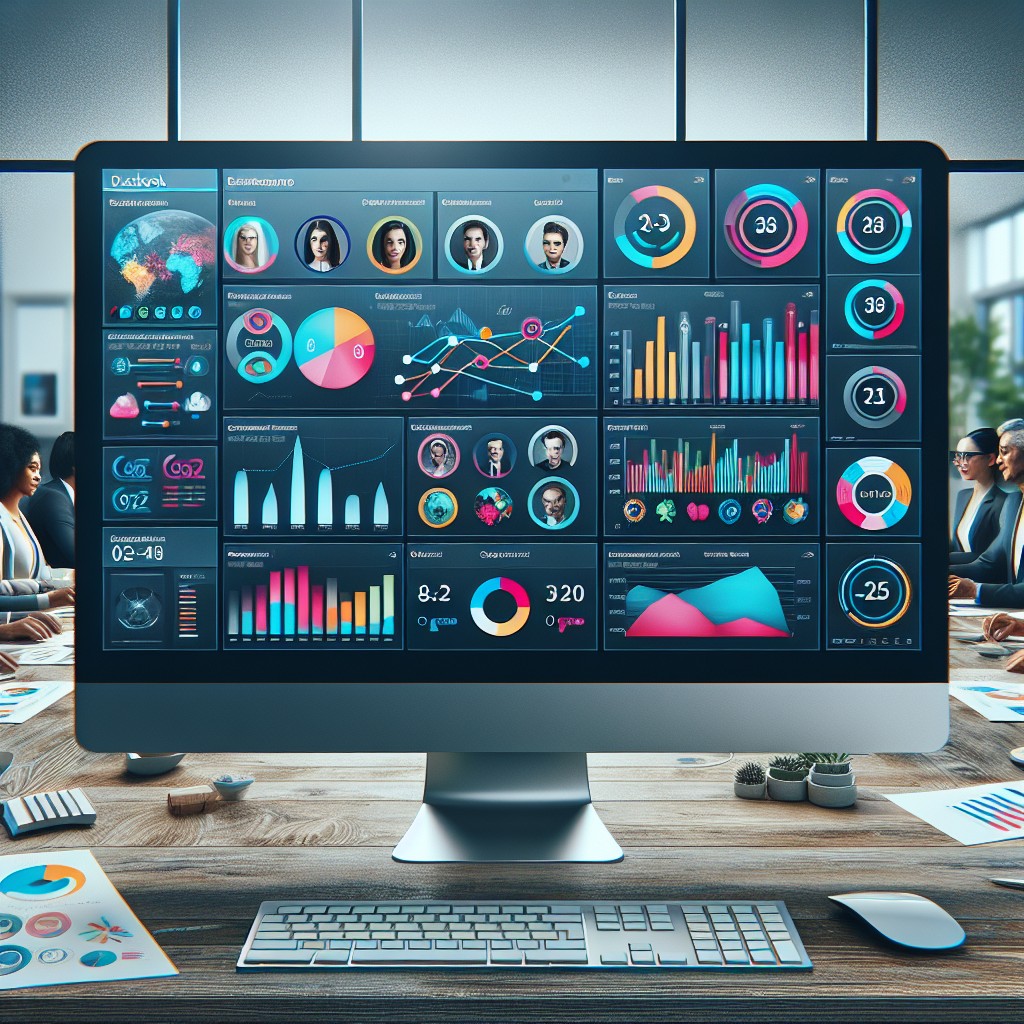
In today’s globalized work environment, distributed teams have become the norm rather than the exception. Efficient reporting within these teams presents unique challenges, including time zone differences, communication gaps, and data consistency issues. Team dashboards have emerged as pivotal tools that streamline reporting processes, making collaboration across geographies seamless and data-driven decisions more accessible.
The Role of Team Dashboards in Distributed Workforces
Team dashboards provide a centralized platform where data from multiple sources is aggregated and presented visually. For distributed teams, these dashboards eliminate the delays and misunderstandings often associated with fragmented reporting efforts. By consolidating key performance indicators and project statuses in real time, team dashboards ensure that every member, regardless of location, has immediate access to the most current information.
Key Features Enhancing Reporting Efficiency
Modern team dashboards typically include features such as customizable data visualization, real-time updates, and seamless integration with various communication and workflow tools. These capabilities enable teams to tailor the dashboard views to their specific reporting needs. For distributed teams, the ability to interact with dynamic data mitigates the risk of misinterpretation and enhances overall transparency. Furthermore, automated report generation reduces manual errors and frees up valuable time for team members.
Reducing Communication Barriers Through Visual Data
Communication in distributed teams can often be hindered by text-heavy emails or lengthy meetings. Team dashboards translate complex data into graphical formats such as charts and graphs, enabling quicker comprehension and faster decision-making. This visual approach lessens the cognitive load on team members who must interpret performance metrics from diverse contexts, facilitating smoother collaboration.
Team dashboards and Data Security Considerations
As data flows across multiple locations, ensuring the security and integrity of the information displayed in team dashboards is critical. Reliable dashboard platforms incorporate robust encryption and access controls to protect sensitive business data. These security measures are essential in maintaining trust, particularly for distributed teams that rely heavily on cloud-based solutions to centralize their reporting.
Integration with Project Management and Communication Tools
One of the reasons team dashboards have gained widespread adoption is their ability to integrate effortlessly with widely used project management and communication tools. This integration creates an ecosystem where updates automatically reflect on dashboards without additional manual input. For distributed teams, this synergy reduces the friction in reporting cycles and allows team members to focus on execution rather than data compilation.
Conclusion
Team dashboards have become indispensable components of modern work environments, particularly for distributed teams facing challenges in reporting and communication. By providing real-time, visually engaging, and secure reporting capabilities, these dashboards enable teams spread across various locations to operate cohesively and make informed decisions promptly. As remote and hybrid working models continue to expand globally, the relevance and adoption of team dashboards are expected to increase further, reinforcing data-driven collaboration as a standard practice.
Frequently Asked Questions about team dashboards
What are team dashboards and how do they support distributed teams?
Team dashboards are centralized platforms that aggregate and visually display critical data, helping distributed teams overcome communication and time zone challenges by providing real-time access to performance metrics and project updates.
How do team dashboards improve reporting accuracy for distributed teams?
By automating data collection and providing visual representations, team dashboards reduce manual errors and misinterpretations, leading to more accurate and consistent reporting across distributed team members.
Can team dashboards integrate with other tools used by distributed teams?
Yes, team dashboards commonly integrate with project management and communication platforms, allowing seamless updates and reducing manual data entry, which enhances reporting efficiency for distributed teams.
Are team dashboards secure enough for confidential data sharing?
Reputable team dashboards implement strong security measures, including data encryption and access controls, to protect sensitive information, making them suitable for confidential reporting in distributed teams.
Where can I find reliable examples of team dashboards being used effectively?
Industry reports and business publications, such as those found on team dashboards features and case studies from leading software providers, offer valuable insights into effective use of team dashboards in distributed environments.